Football, a sport that unites millions of fans and players worldwide, has faced unprecedented challenges due to the COVID-19 pandemic. As the virus spread across the globe, it brought football activities to a grinding halt, disrupting leagues, tournaments, and player development. In this blog, we will explore the profound impact of COVID-19 on football, the challenges it presented to the sport, and the innovative adaptations made to keep the beautiful game alive during these challenging times.
Suspension of Leagues and Tournaments
One of the most significant impacts of the COVID-19 pandemic on football was the suspension of leagues and tournaments worldwide. To curb the spread of the virus, governments imposed strict restrictions on public gatherings, leading to the postponement or cancellation of numerous football events. Major leagues like the English Premier League, La Liga, Serie A, and the UEFA Champions League were brought to a standstill, leaving fans and players in suspense.
Financial Strain and Club Sustainability
With matches suspended, football clubs faced immense financial strain. Revenue streams from ticket sales, broadcasting rights, and sponsorships dwindled, putting the sustainability of many clubs at risk. Smaller clubs and grassroots football organizations were particularly vulnerable, facing the prospect of bankruptcy. To mitigate the financial impact, some clubs implemented wage cuts for players and staff, while others relied on government support and community donations.
Player Health and Safety
The health and safety of players became a paramount concern during the pandemic. As football resumed behind closed doors or with limited fan attendance, protocols were put in place to ensure players’ well-being. Regular COVID-19 testing, isolation measures, and bio-secure bubbles became standard practice to reduce the risk of infection and maintain the integrity of competitions.
Player Mental Health
The pandemic’s uncertain and isolated environment took a toll on players’ mental health. The sudden disruption to their routine, the fear of contracting the virus, and the challenges of playing in empty stadiums affected their emotional well-being. Football organizations prioritized mental health support, offering counseling and resources to help players cope with the stress and anxiety induced by the pandemic.
Innovations and Adaptations
Despite the challenges, football demonstrated resilience and adaptability in the face of the pandemic. Virtual fan engagement initiatives allowed supporters to connect with their teams and attend matches remotely. Online training sessions and fitness programs helped players stay in shape during lockdowns. Additionally, e-sports and online football tournaments gained popularity as fans sought alternative ways to engage with the sport.
Impact on Grassroots Football and Youth Development
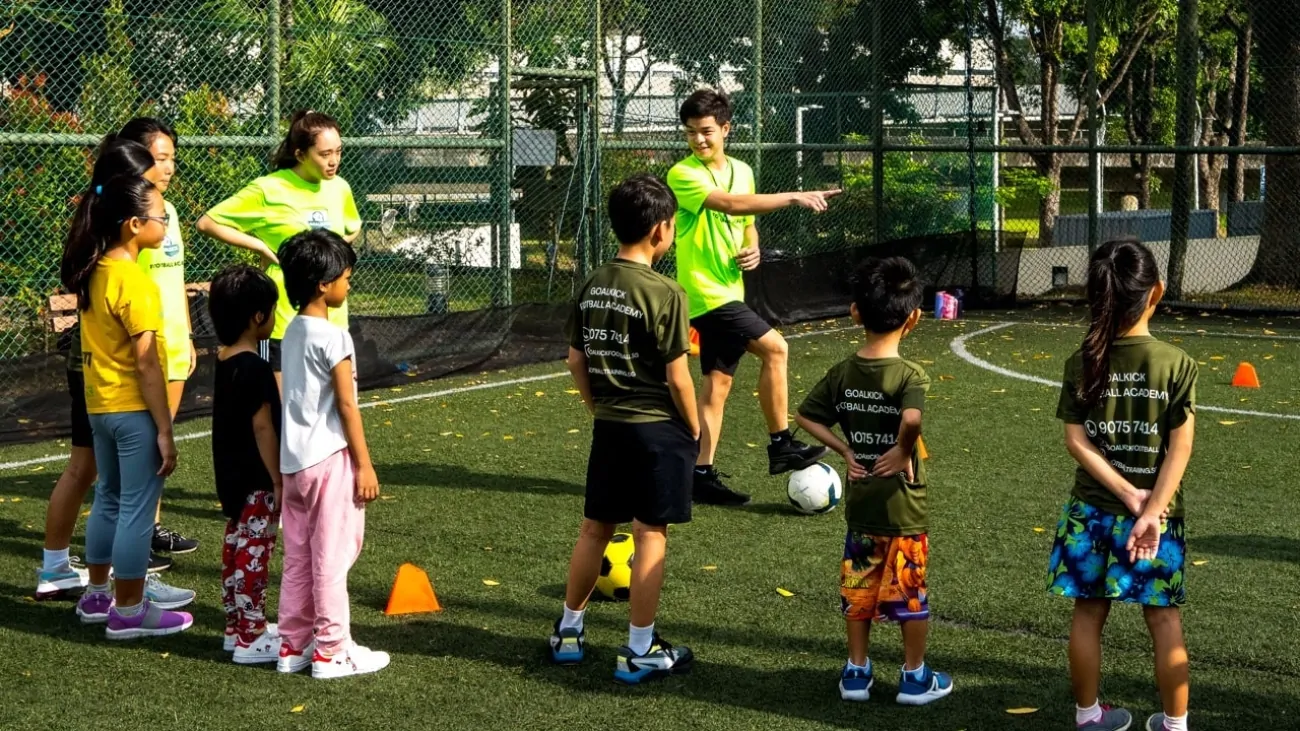
COVID-19 disrupted grassroots football and youth development programs, depriving young players of essential playing and learning opportunities. Many football academies had to suspend activities, affecting the development of future talent. Football organizations and communities rallied together to provide virtual coaching sessions and skill development resources, ensuring young players continued to receive support despite the challenges.
The impact of COVID-19 on football has been profound, revealing the sport’s vulnerability to unforeseen circumstances. Yet, football’s response to the pandemic showcased the sport’s adaptability and determination to overcome adversity. As leagues, clubs, and players navigated through the challenges with innovative solutions and safety protocols, they demonstrated the power of football to inspire hope and bring joy to fans during difficult times. While the road to recovery remains uncertain, football’s enduring spirit ensures that the beautiful game will emerge stronger and more resilient in the post-pandemic world.